

Initiatives & Programs
Texas Child Health Access Through Telemedicine (TCHATT)
Connect students to mental telehealth care through your school.
TCHATT supports students and their families by providing access to licensed mental health clinicians through secure telehealth services delivered in coordination with their schools.
-

Timely mental health support in a trusted location
-

Training opportunities for school staff
-

Vetted referrals and resources for families
-

Available for students in PreK–12th grade

Key Benefits
Referring students to TCHATT provides them with timely access to licensed mental health clinicians and care in the school setting.
When to Refer a Student
School staff can refer a student for a range of mental or behavioral health concerns, including:

Changes in mood or behavior
such as outbursts, isolation, or declining school performance

Anxiety or high stress
including social anxiety or sleep difficulties

Challenging relationships
at school or home

Thoughts of suicide or self-injury
Note: TCHATT is not for active crises. If in active crises, follow your school’s protocol or call 911.
Contact the TCHATT team in your region.
Enter your zip code or city name to find the phone number and email for your regional TCHATT health-related institution (HRI).
Who Can Access TCHATT
Any public school in Texas can have TCHATT on its campus once a Memorandum of Understanding (MOU) is in place with the school district.
-
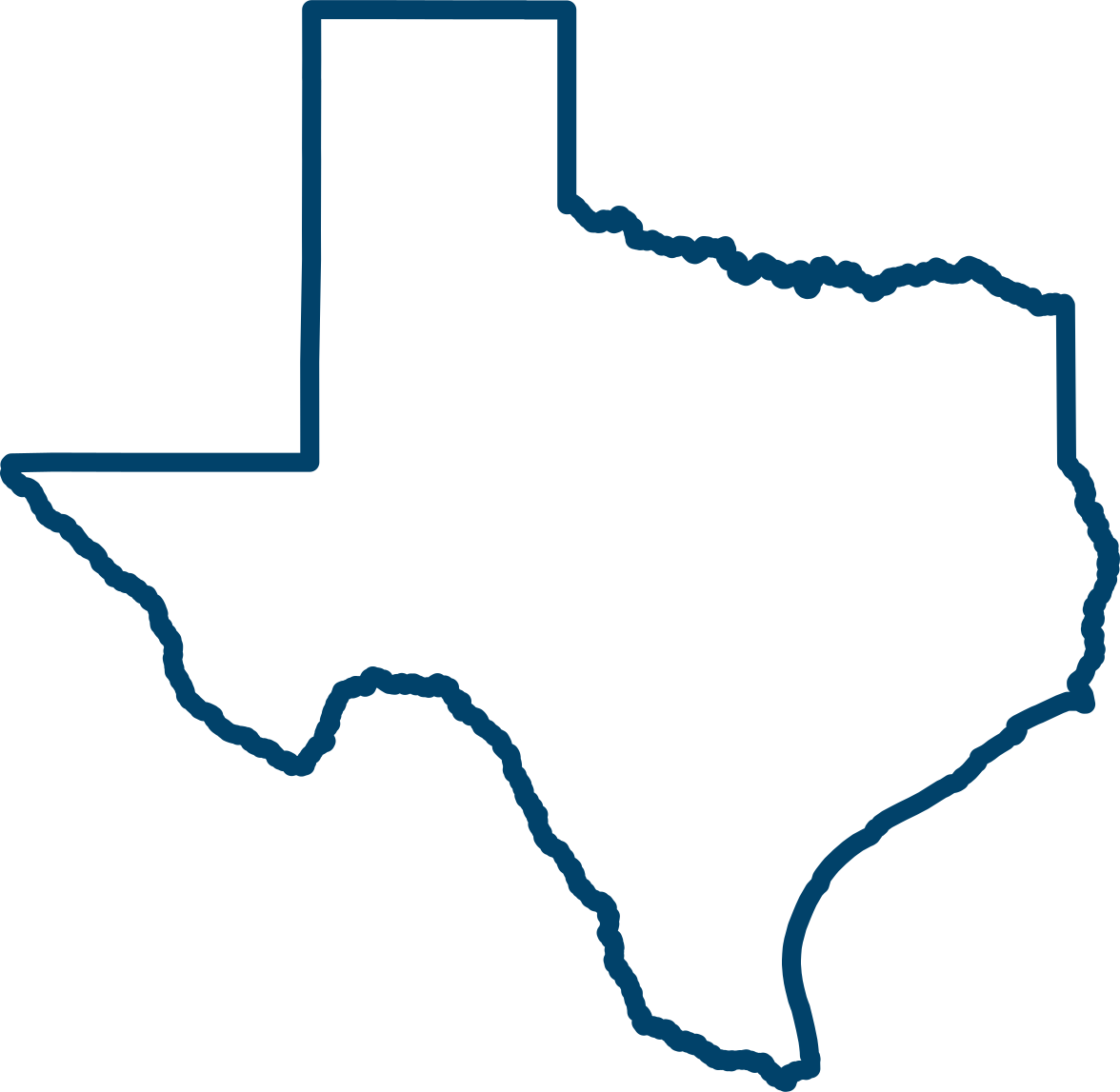
On the map above, you can see if your school or school district is enrolled or soon to be enrolled. The definitions below are designed to help you navigate the map.
How to read the map:
-
Active - TCHATT services are currently available at the school.
-
Onboarding - The school has signed an MOU and is preparing to launch services.
-
Pending - A draft MOU has been sent to the school district and is awaiting signature.
-
Planned - The school is scheduled to receive TCHATT services, but an MOU has not yet been initiated.
-
Inactive - The school previously participated in TCHATT but no longer receives services.
-
Declined / Unresponsive - The school or district has declined services or has not responded to outreach.
School districts that wish to change their TCHATT status should contact their local team or email us at: tcmhcc@utsystem.edu.
How Does TCHATT Work?
-
1
Identify a student
who needs mental health support.
-
2
Begin the referral process
Notify the student’s school counselor/designated TCHATT liaison.
-
3
School liaison obtains parent/guardian consent
to submit the referral and collects basic referral information.
-
4
School liaison submits referral
via TCHATT portal.
-
5
TCHATT obtains written parent/guardian consent
to provide services.
-
6
Licensed TCHATT clinician provides a virtual assessment
with student and family.
-
7
Possible services:
• Student has focused, virtual sessions with TCHATT clinician.
• TCHATT may connect the family to additional community services if needed.


Why TCHATT?


Resources for School Counselors and School Staff
Program Materials for Schools
Explore TCHATT program flyers, FAQs, & information for school counselors and liaisons to use with students and parents/guardians.
Sample Program Consent Forms
View a sample TCHATT services consent form for parents/caregivers. (Your local HRI team will provide official enrollment forms.)
Curated Clinical Resources
Contact your local HRI team directly for vetted, personalized resources about student mental health and the TCHATT program. We have curated an extensive library of the latest, evidence-based materials.
-

Our Key Collaborators
TCHATT is grateful for our collaboration with the Texas Education Agency, Education Service Centers across the state, and local collaborators including school districts working to change the system of mental health care in Texas with us.
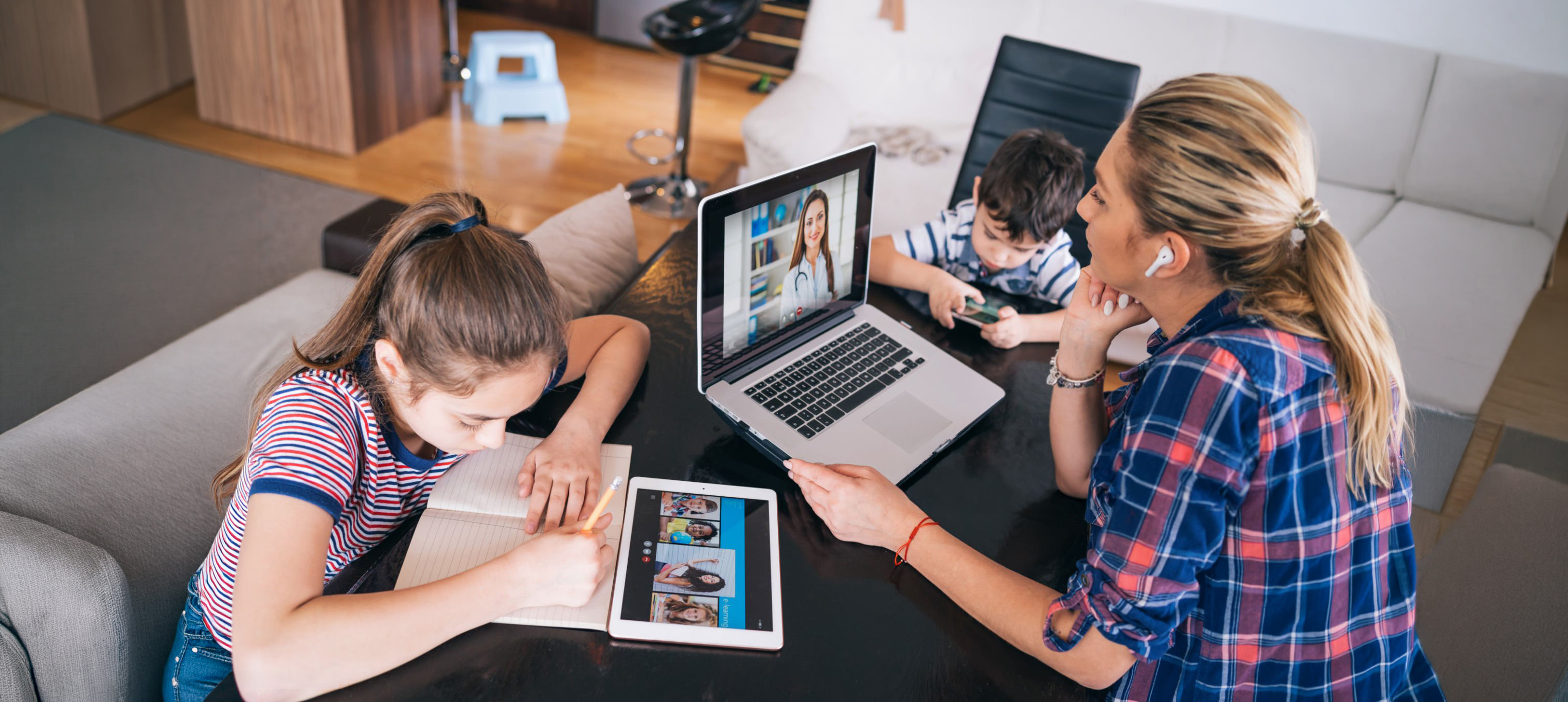

TCHATT operates within a statewide network of experts from 12 health-related institutions (HRIs) across Texas who are building capacity, developing best practices, and training the next generation of clinicians.